

Page 6 of 675
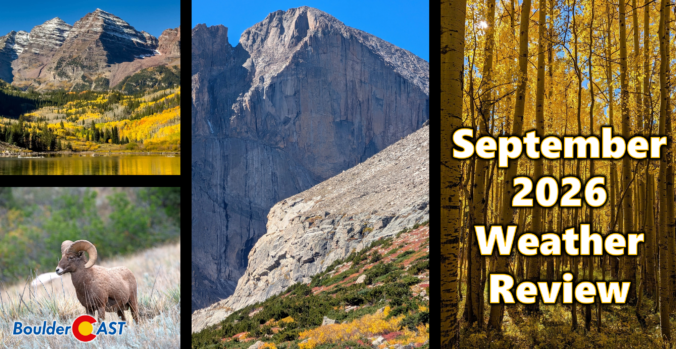
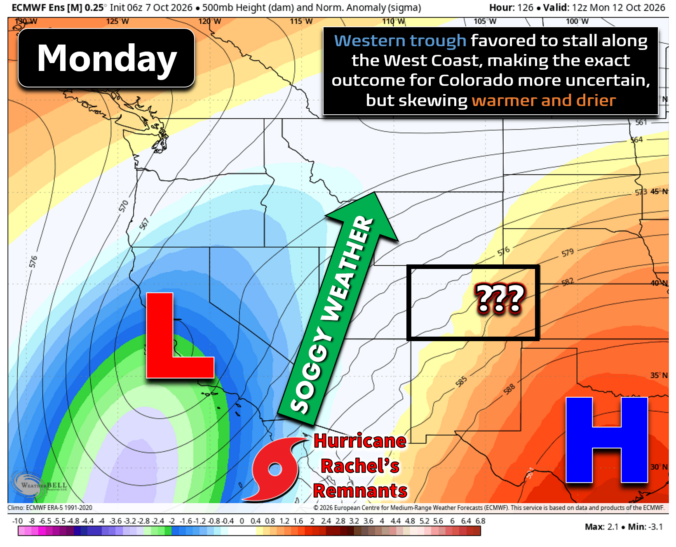
September 2026 will be remembered as the month that put an exclamation point on an extraordinary water year of heat and dryness in Boulder, with less than 20% of normal precipitation falling during the month and temperatures more than five degrees above average. Despite a strong late-season monsoon, moisture largely avoided the Front Range, and especially Boulder County, culminating with a great modeling collapse of a significant rain event in the final days of the month tied to the remnants of Hurricane Polo.
Here’s a graphical look at how September 2026 unfolded across Boulder, Denver, and the Front Range — and how it compared to climatology.
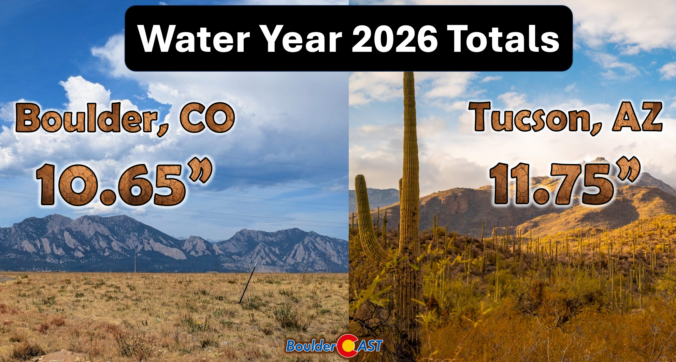
Boulder just endured its driest water year on record, closing out twelve months with only 10.65 inches of precipitation — barely half of normal and nearly at desert-level. From a failed snow season to record spring warmth and a monsoon that largely bypassed the city, every season conspired to keep Boulder locked in a warm‑and‑dry feedback loop. Reservoirs and upstream snow storage will cushion the blow for now, but the bigger question looms: what happens if we start stringing years like this together?
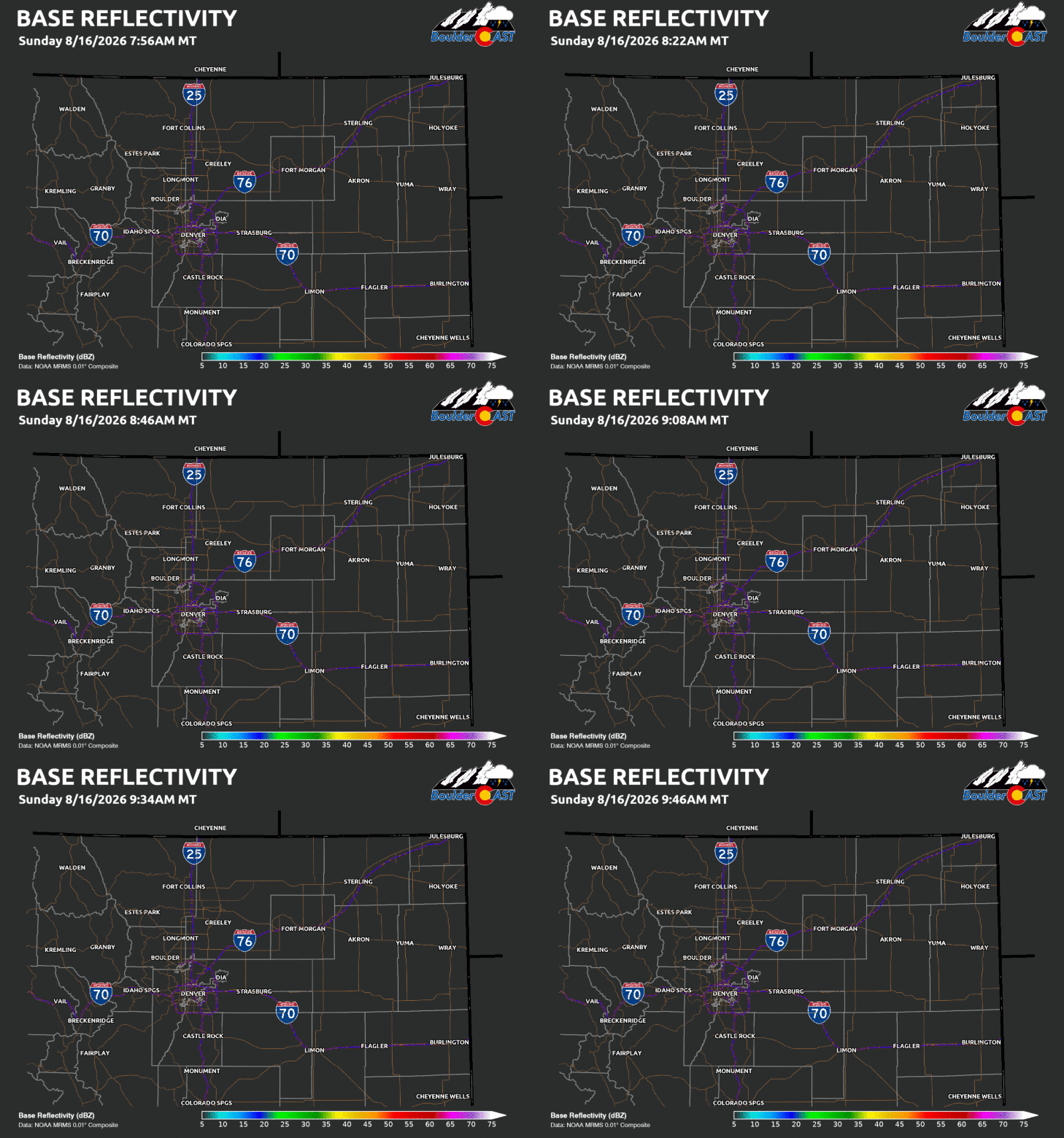
Live Radar
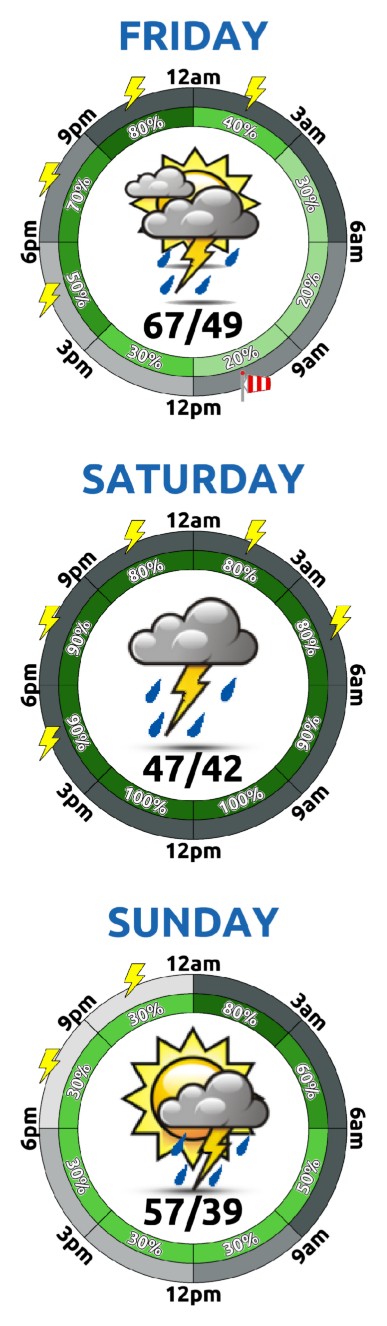
3-Day Forecast
Trending Content


© 2026 Front Range Weather, LLC