

Author: Ben Castellani (Page 1 of 312)
Ben grew up in southwestern Pennsylvania and holds both a bachelor's and a master's degree in Meteorology, the latter being from CU Boulder. His hometown received nearly three feet of snow from the Storm of the Century back in March of 1993, sparking his initial interest in impactful weather. Ben currently works on remote sensing and data analysis software at NV5 Geospatial Software in Boulder.
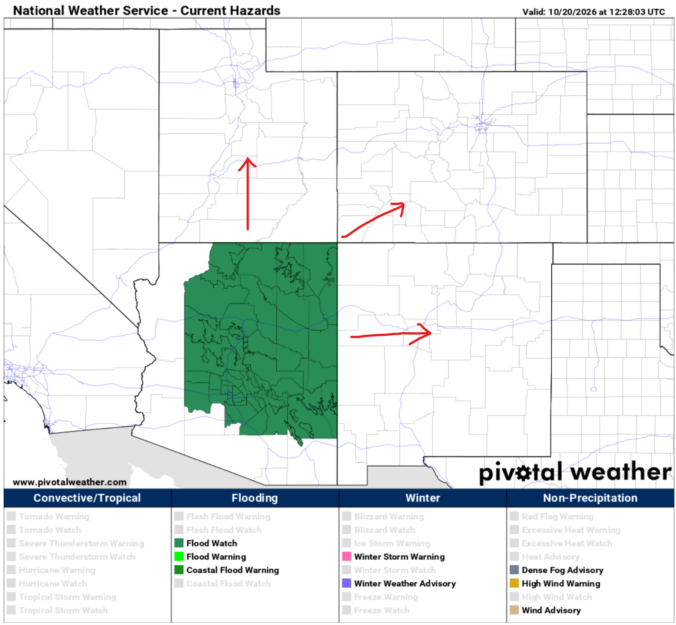
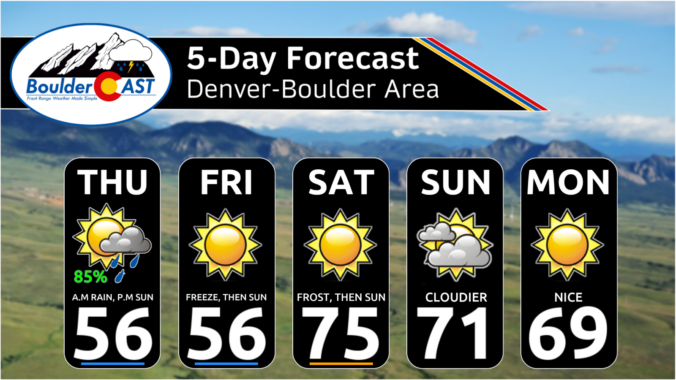
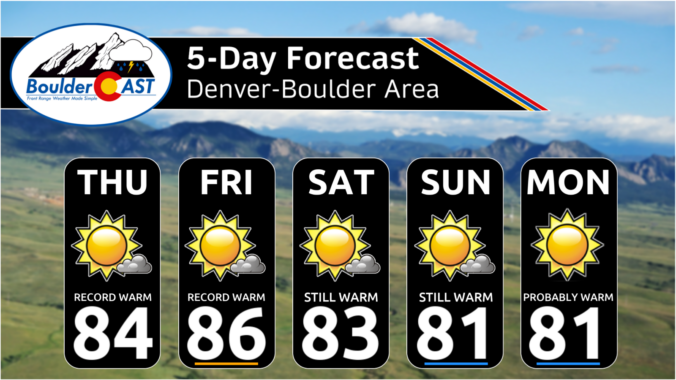
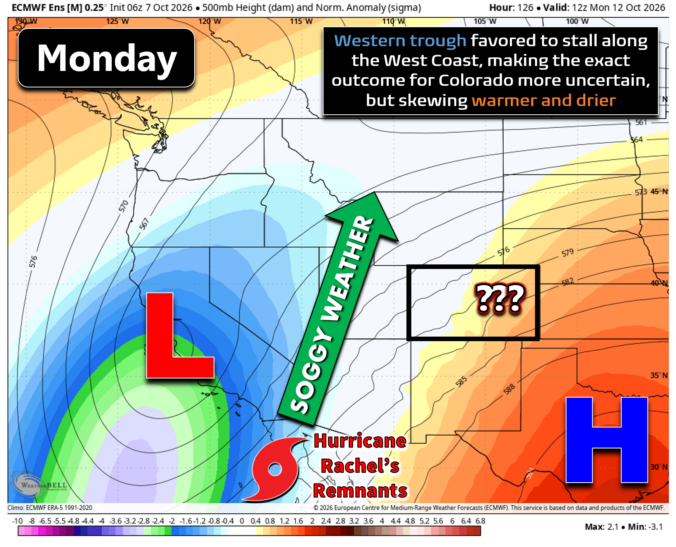
Last week’s storm finally delivered the kind of soaking rain we’ve been waiting months to see, but don’t get used to it. The atmosphere is shifting back into a familiar pattern this week, with summer-like warmth, abundant sunshine, and another surge of tropical moisture headed toward the Southwest. The catch? Most of that moisture will never make it to the Front Range. In this week’s update, we look at the drought-improving impacts of last week’s storm, why the San Juans are poised to cash in yet again, and whether a late-week cold front can squeeze out a little bit of rain for us before temperatures finally start feeling a bit more like October.
Continue reading
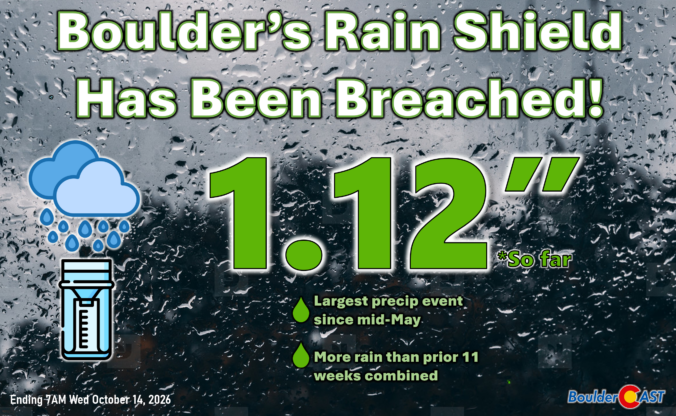
After months of drought, the Front Range is finally cashing in on a meaningful storm, with Boulder already topping an inch of rain and more moisture still to come. But are the best rains already behind us? A closer look at the storm’s evolving track suggests the answer may be yes, while a hard freeze waits on the other side of this long-overdue autumn gloom.
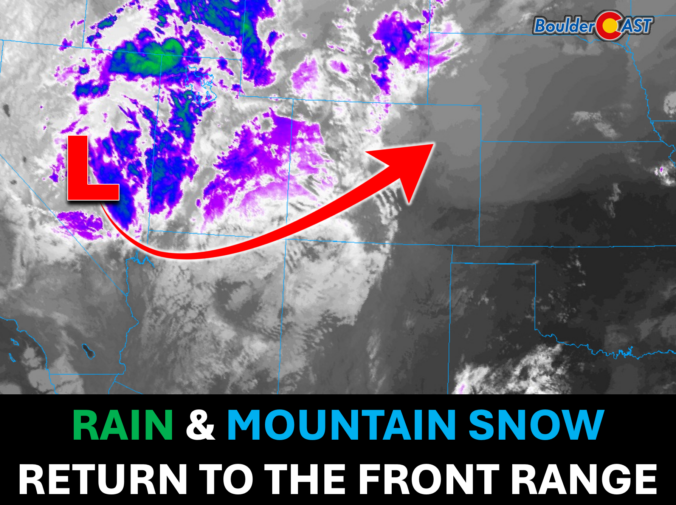
After months of watching drought deepen across the Front Range, Colorado is finally getting a storm that could turn the tide. A slow-moving upper low will tap into an unusually rich plume of subtropical moisture and bring widespread rain to much of northern Colorado, along with the season’s first meaningful Mountain snowfall. How much rain can Boulder and Denver expect, who stands the best chance of topping an inch, how low will snow levels drop during the event and which night will bring the season’s first freeze? We break down the latest forecast, timing, rainfall totals, and snow prospects.
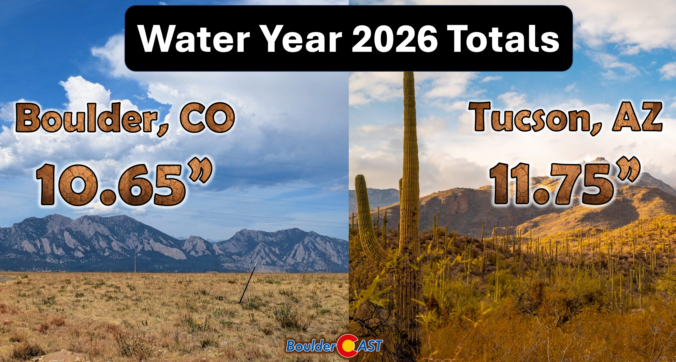
Boulder just endured its driest water year on record, closing out twelve months with only 10.65 inches of precipitation — barely half of normal and nearly at desert-level. From a failed snow season to record spring warmth and a monsoon that largely bypassed the city, every season conspired to keep Boulder locked in a warm‑and‑dry feedback loop. Reservoirs and upstream snow storage will cushion the blow for now, but the bigger question looms: what happens if we start stringing years like this together?

Live View of Boulder
Current Conditions
Live Radar
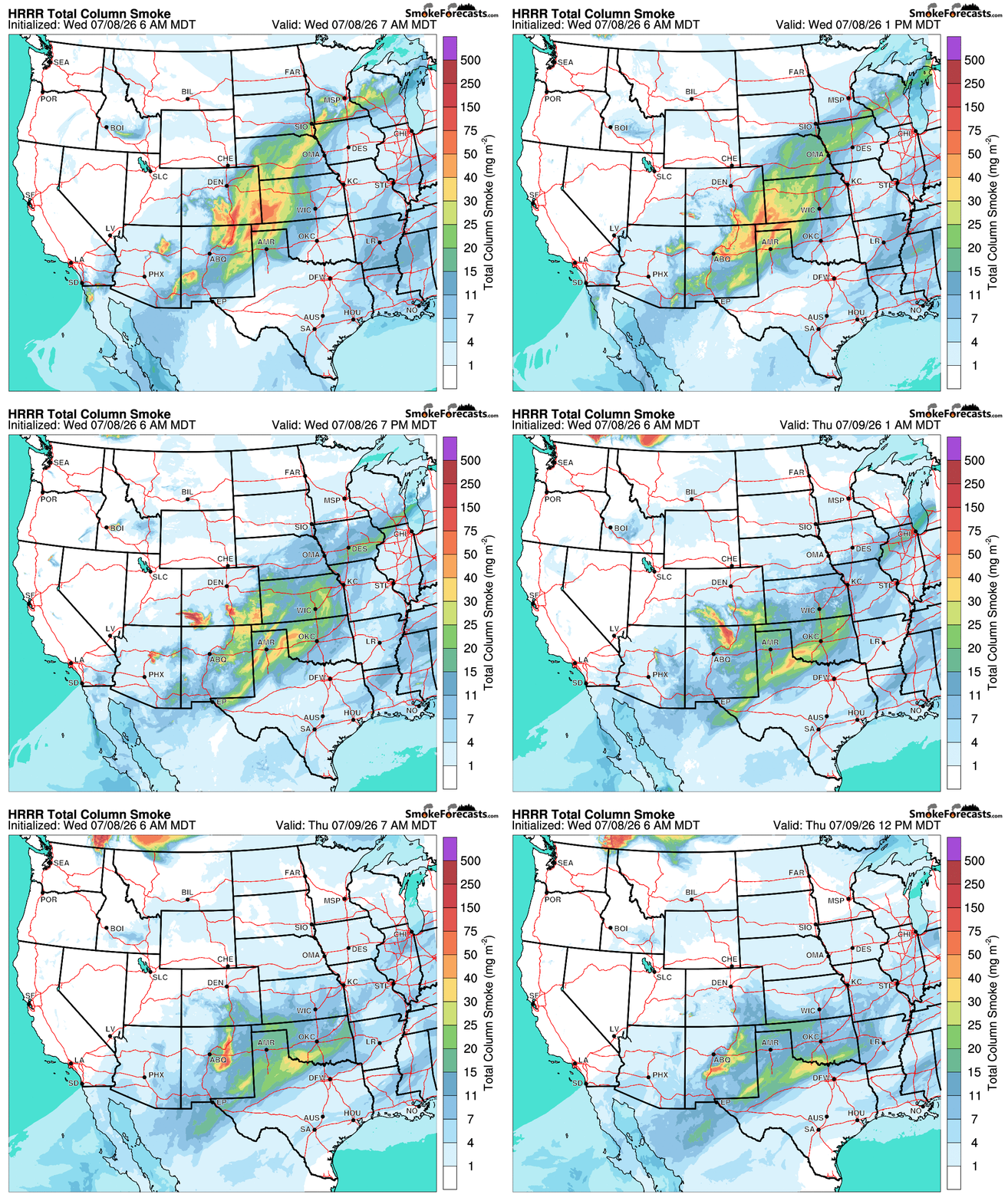
Latest Smoke Forecast
Recent Premium Posts

BoulderCAST Daily – Tue 10/20/26 | 70s Return as Colorado’s Next Soaking Storm Targets the San Juans (Again)
🌤️ Dry & Warmer – Mountain rain and snow showers continue today, but …
BoulderCAST Daily – Sun 10/18/26 | Warm and Sunny
☀️ Mild and dry into midweek — Highs hover in the low to …
BoulderCAST Daily – Sat 10/17/26 | A Quiet Stretch of Weather
☀️ A quiet stretch — Highs hover in the 70s well into the …
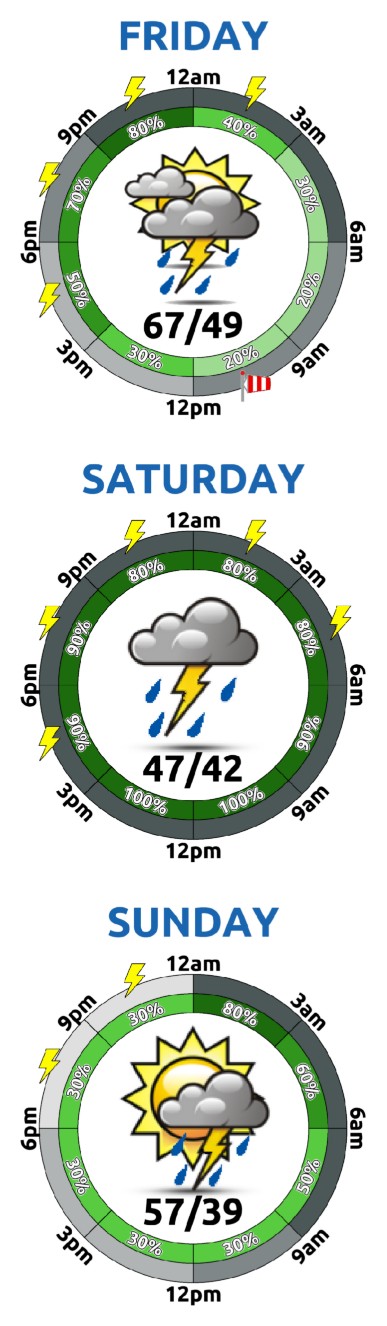
3-Day Forecast
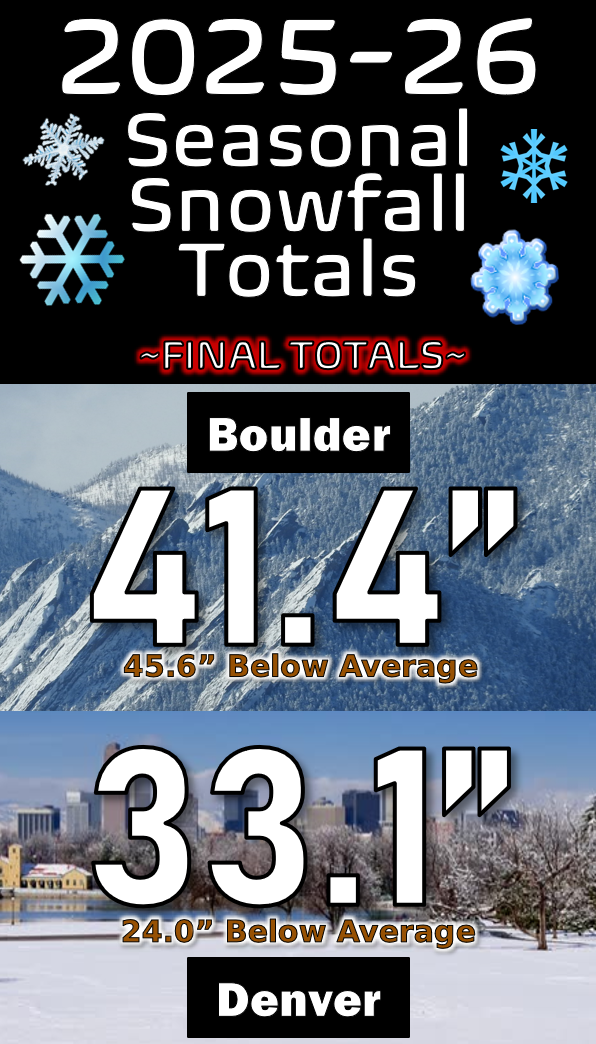
Trending Content


Live View of Boulder
Trending Content
© 2026 Front Range Weather, LLC