

Author: Ben Castellani (Page 2 of 312)
Ben grew up in southwestern Pennsylvania and holds both a bachelor's and a master's degree in Meteorology, the latter being from CU Boulder. His hometown received nearly three feet of snow from the Storm of the Century back in March of 1993, sparking his initial interest in impactful weather. Ben currently works on remote sensing and data analysis software at NV5 Geospatial Software in Boulder.
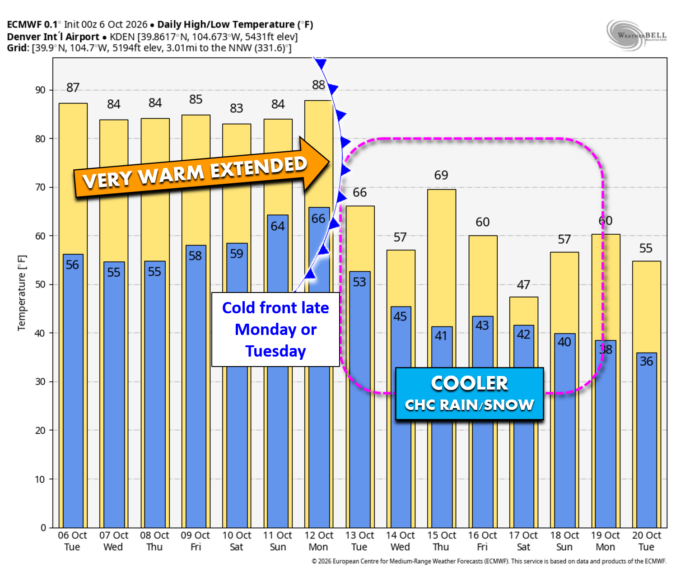
A broad, slow‑moving heat dome has settled over the West, delivering a run of persistent October warmth to the Front Range — but this quiet, summerlike stretch won’t hold forever. This week will be defined by record‑challenging heat aided by downslope flow, and only the faintest chances for a few stray rain showers before a major pattern shake‑up arrives early next week. Ensemble guidance hints at everything from long‑awaited rainfall to the season’s first frost, with even a few early‑season snow scenarios lurking in the spread. Read on for all the details.
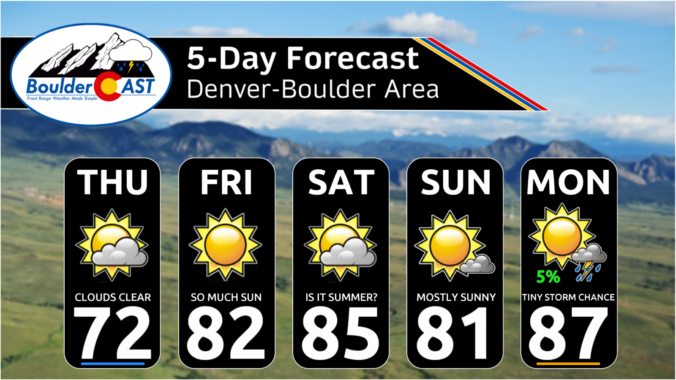
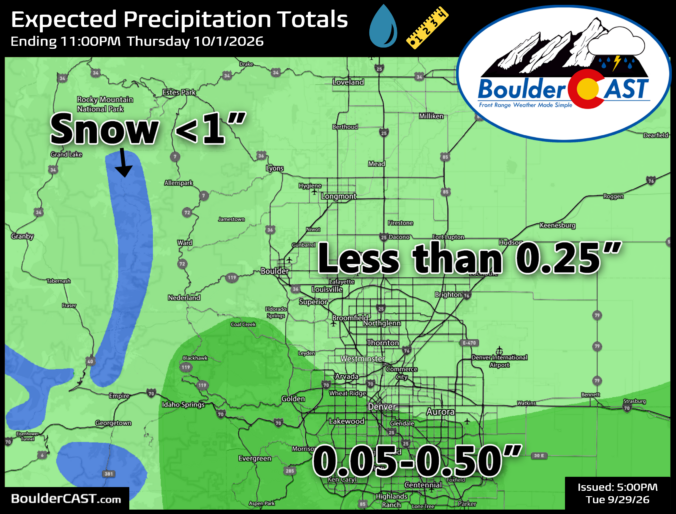
A slow‑moving, high‑stakes storm has been creeping toward Colorado all week — a rare mash‑up of an autumn upper‑low and the juicy tropical remnants of Hurricane Polo — and for a moment, it looked like Boulder and Denver might finally score a true soaking. But as the atmosphere loves to do, the script flipped late. Today’s update breaks down how this once‑promising setup unraveled over the last couple days, why southern Colorado is now squarely in the bullseye, and what scraps of moisture the Front Range can still squeeze out as the system passes by to our south.
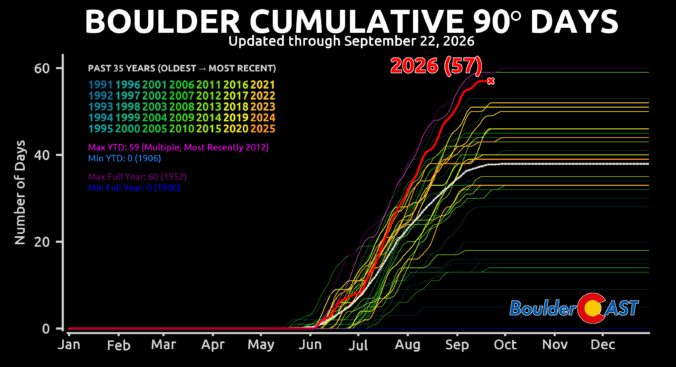
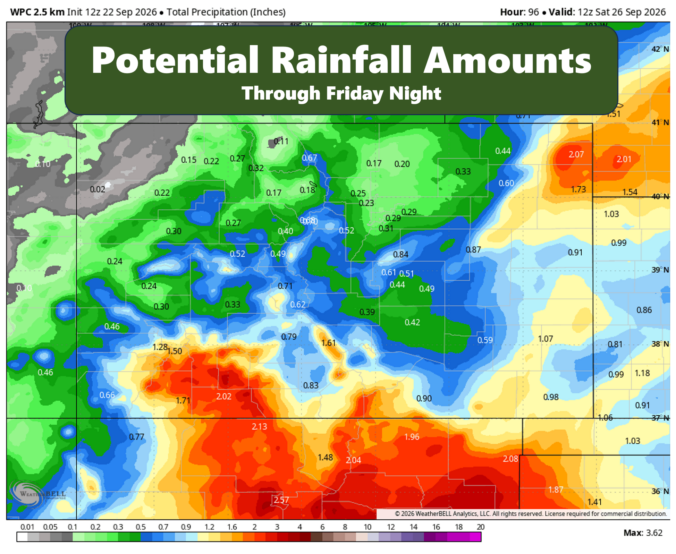
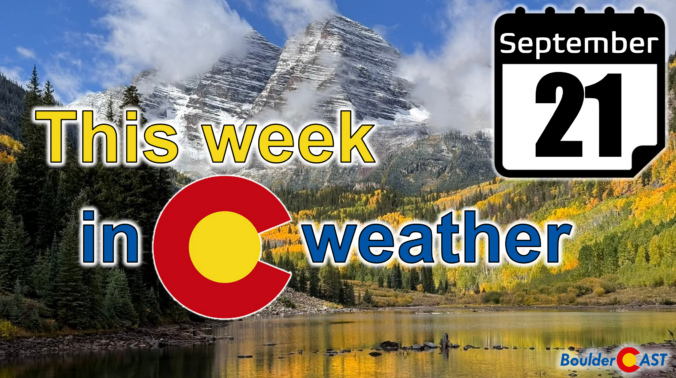
Despite an active monsoon that refuses to quit, Boulder has remained stubbornly dry with just 18% of normal precipitation during September which has been anything but typical. This week will keep the theme alive: plenty of monsoon flow, impressive moisture surges, and even a pair of dancing hurricanes in the Eastern Pacific, yet northern Colorado will still struggle to squeeze out meaningful rainfall again. We break down why the pattern looks so active on paper, why the Front Range keeps missing out, and what late‑week changes might finally nudge storm chances upward.

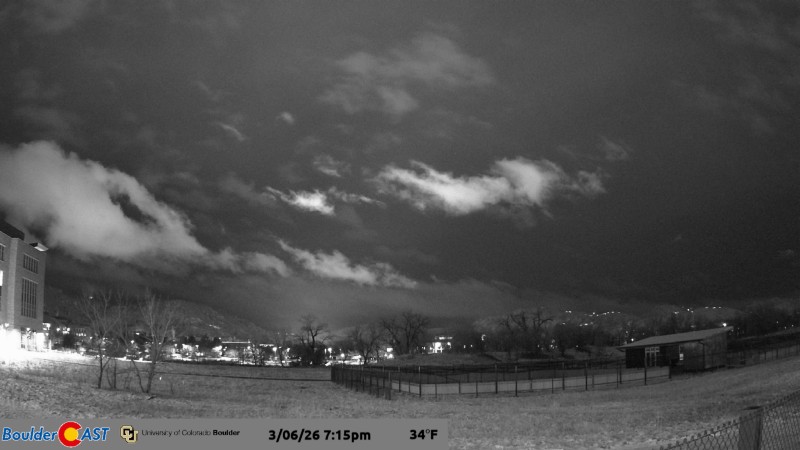
Live View of Boulder
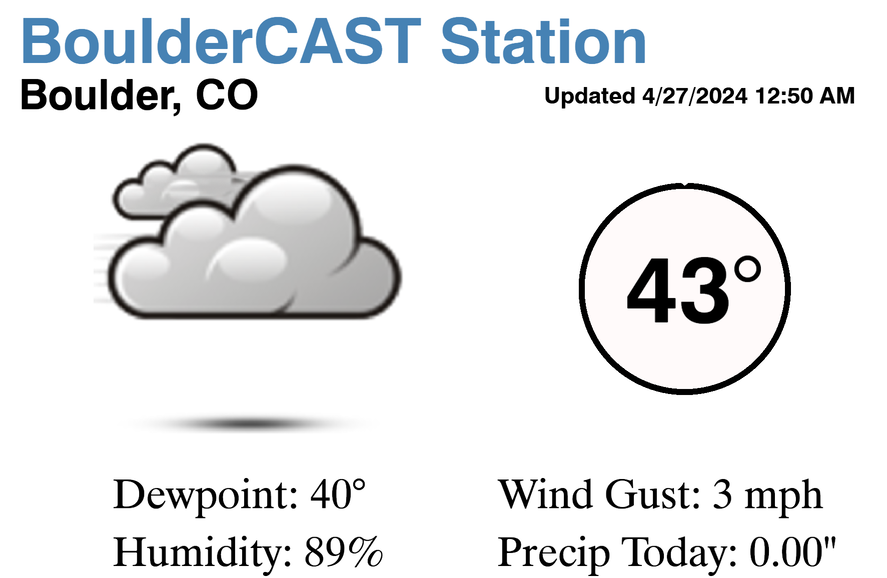
Current Conditions
Live Radar
Latest Smoke Forecast
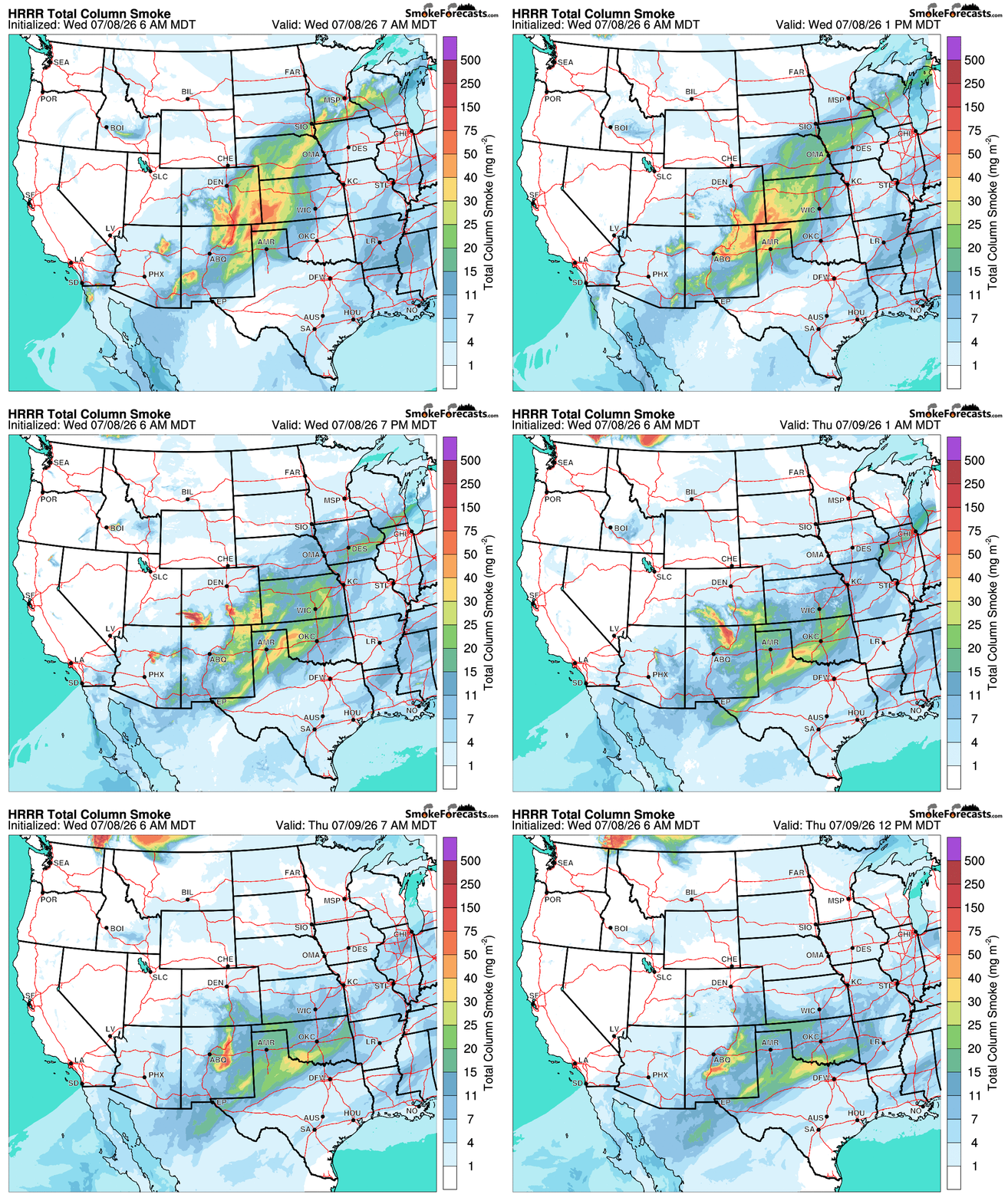
Recent Premium Posts

BoulderCAST Daily – Tue 10/20/26 | 70s Return as Colorado’s Next Soaking Storm Targets the San Juans (Again)
🌤️ Dry & Warmer – Mountain rain and snow showers continue today, but …
BoulderCAST Daily – Sun 10/18/26 | Warm and Sunny
☀️ Mild and dry into midweek — Highs hover in the low to …
BoulderCAST Daily – Sat 10/17/26 | A Quiet Stretch of Weather
☀️ A quiet stretch — Highs hover in the 70s well into the …
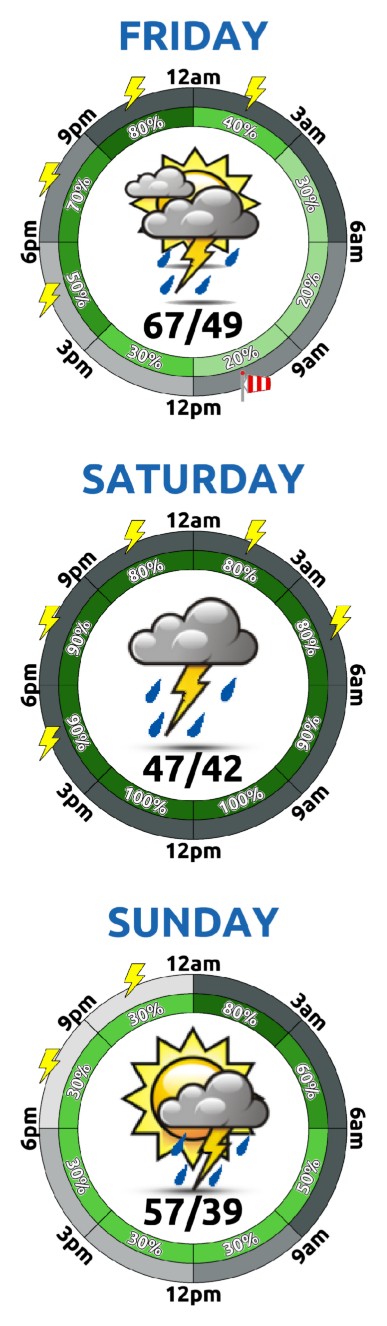
3-Day Forecast
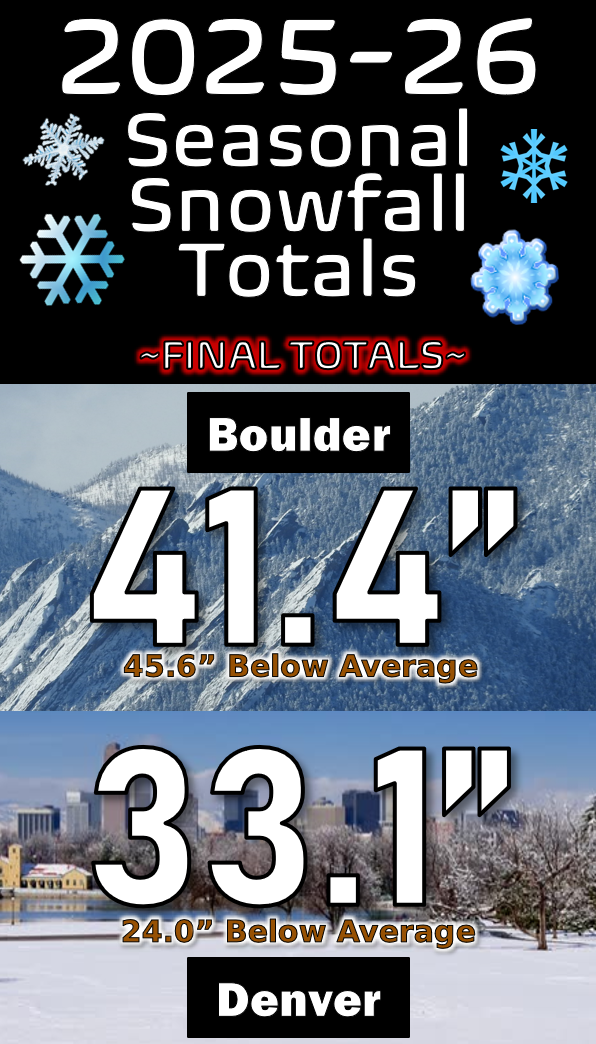
Trending Content


© 2026 Front Range Weather, LLC