


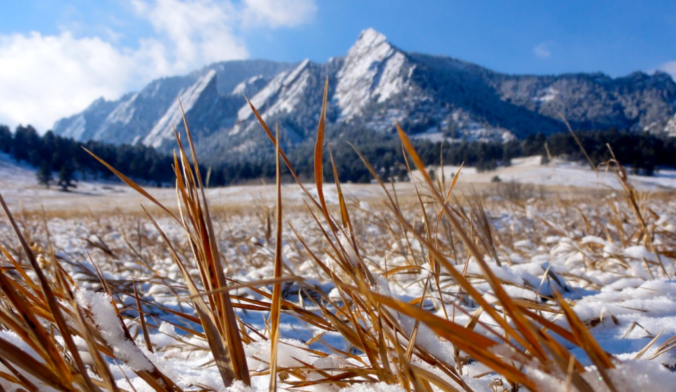
Well, Denver’s snowless streak finally came to an end as a dusting of frozen precipitation was reported at Denver International Airport this past Friday morning. Unfortunately, the week ahead will not continue the trend with a largely dry week expected. We are closely watching a quick-moving storm set to race across the area on Wednesday which could bring white-out conditions to the Mountains and very strong winds to the Denver Metro area. The meager chance of rain/snow with this mid-week system will offer little reprieve for the extreme drought which now encompasses the entire area.
Category: Verification (Page 21 of 53)
These posts take a look back at recent weather events, like snow storms or severe weather outbreaks, and evaluate how the forecast played out. We evaluate how well the models predicted what actually occurred, and offer insight into what can be learned and applied moving forward.
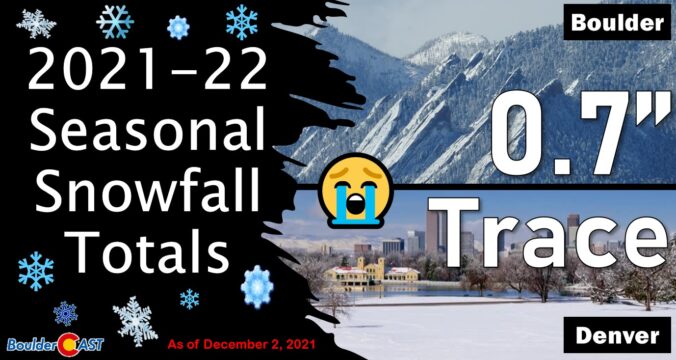
We hate to be the bearer of bad news, but someone sadly has to assume that role today. What looked like a somewhat good, though uncertain, chance of snow for us earlier in the week has transitioned to a situation where almost every weather model is now struggling to come up with much, if any, snow in the Denver Metro area tonight into Friday. Let’s take a look at what happened and how much snow is currently expected.
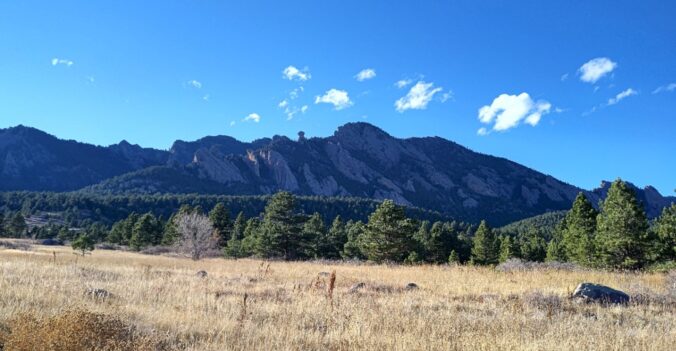
Let’s take a look at how we ended up in a severe drought so quickly and where things might go in the winter months ahead.
November 2021 was extremely warm and dry for all of Colorado. Here’s a quick and colorful graphical recap of our weather during November and how it relates to climatology.
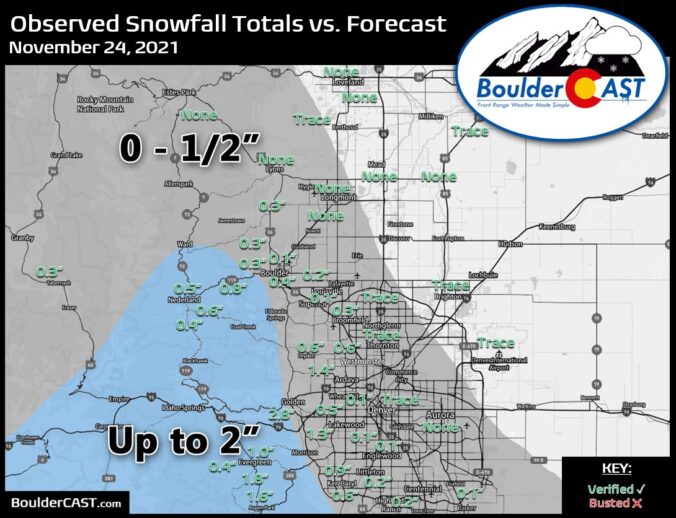
There was a brief and light round of light snow Wednesday afternoon and evening that did accumulate in some locations. Let’s take a quick look at the totals.
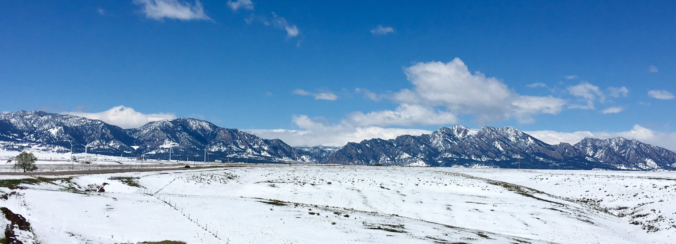
The saga for our first measurable snowfall of the season is finally over, in Boulder at least. In a rather uninspiring fashion, the city reported its first official snowfall early Wednesday morning before sunrise. Let’s review how it happened, check in how this fits in with climatology, and congratulate the winners of our 2021 First Snow Contest!
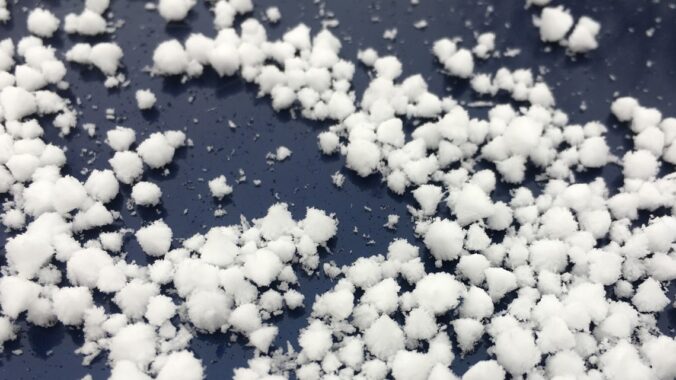
After a lull in the weather on Wednesday, the action picks up quickly again on Thursday with the arrival of a swift-moving but ultimately weak storm system that will bring another round of rain and snow to the Front Range. We discuss which areas are favored this time around to potentially see their first snow of the season and detail when widespread freezing temperatures will arrive.
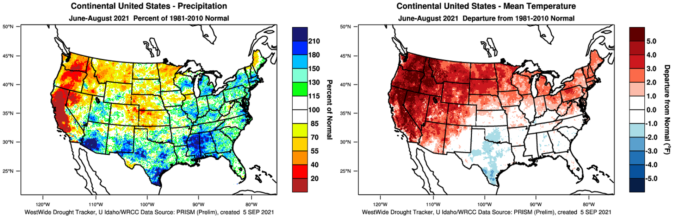
Meteorological summer begins on June 1st and runs through August 31st. With that end date now having come and gone, the official numbers are in for Summer 2021! Let’s take a look at how Boulder, Denver and Colorado as a whole did this summer in terms of temperatures and precipitation. We also check in on how our state fared compared to the rest of the country. If you like seeing data displayed on graphs and maps, this post is for you!
Live View of Boulder
Current Conditions
Live Radar
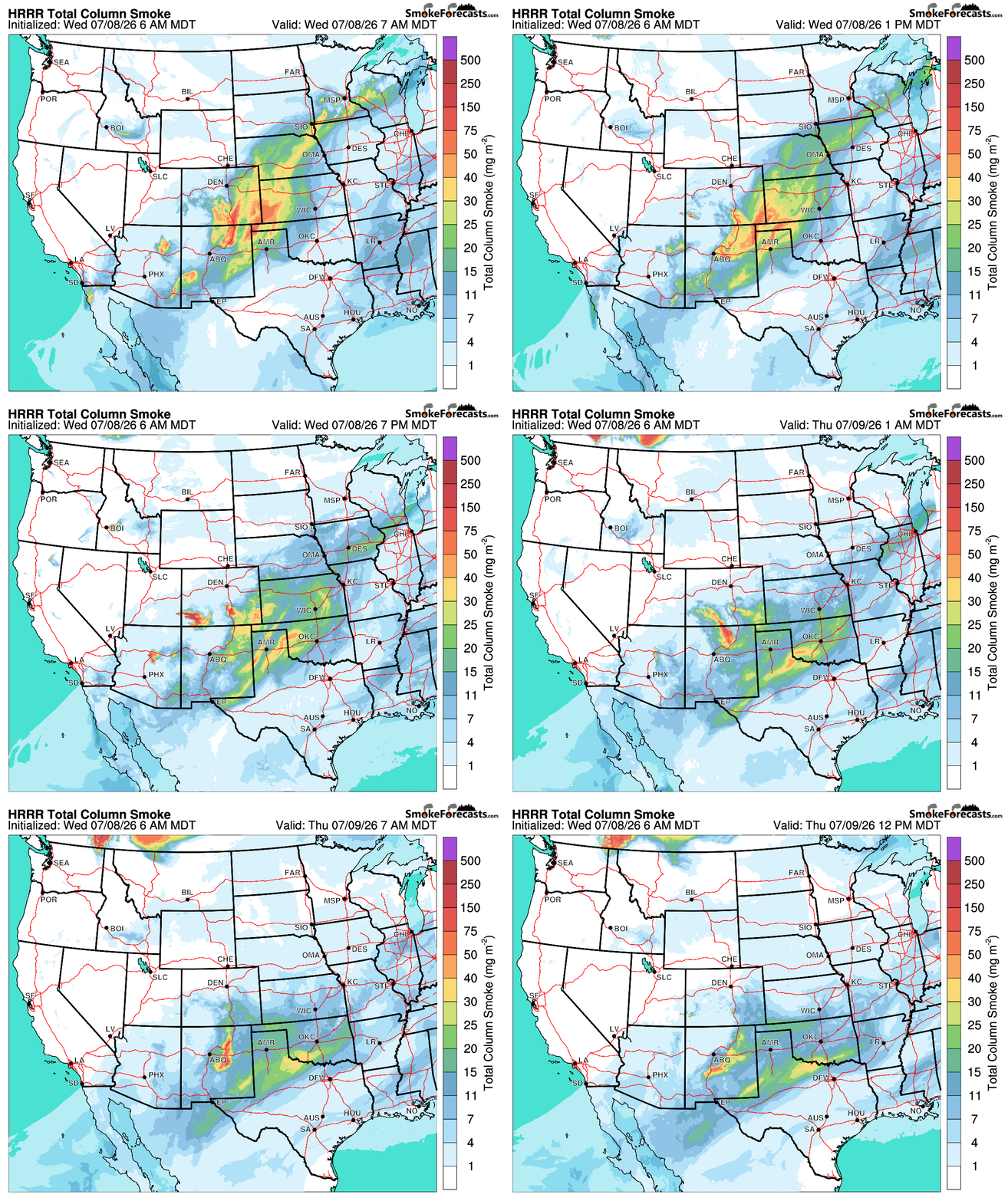
Latest Smoke Forecast
Recent Premium Posts

This Weekend in Colorado Weather: A Quiet Finish to the Week Before Moisture Makes Another Move
🌄 Cool mornings, hot afternoons: Longer nights are nudging overnight temps down, but …
BoulderCAST Daily – Wed 09/09/26 | Monsoon Slips South as a Front Pushes Our Temps Into the Comfortable Zone
🌤️ Dry pattern returns — Monsoon moisture has slipped south, leaving the Front …
BoulderCAST Daily – Tue 09/08/26 | Despite a Healthy Monsoon Plume, Dry Air Undercuts Today’s Storm Potential Across the Front Range
⛈️ Labor Day rain: A few isolated storms fired along the Boulder–Denver corridor …
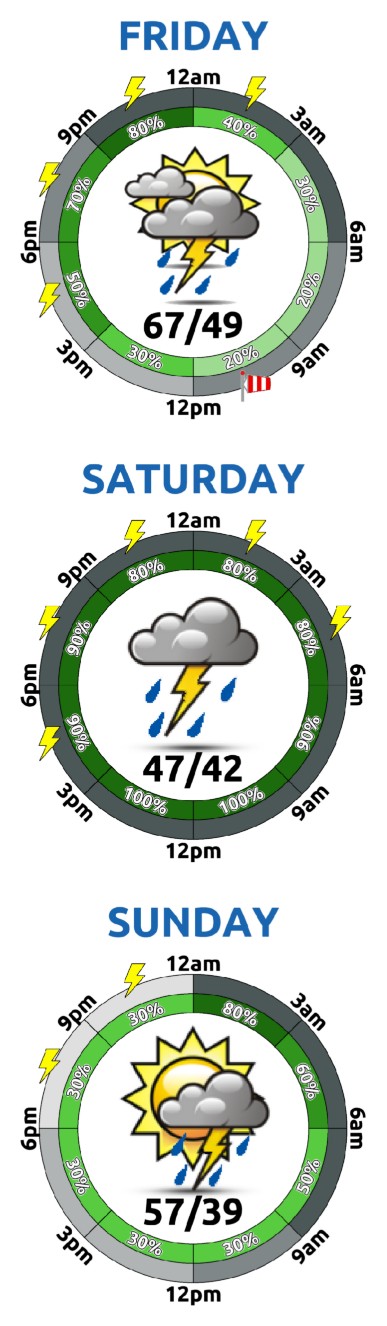
3-Day Forecast
Trending Content


© 2026 Front Range Weather, LLC