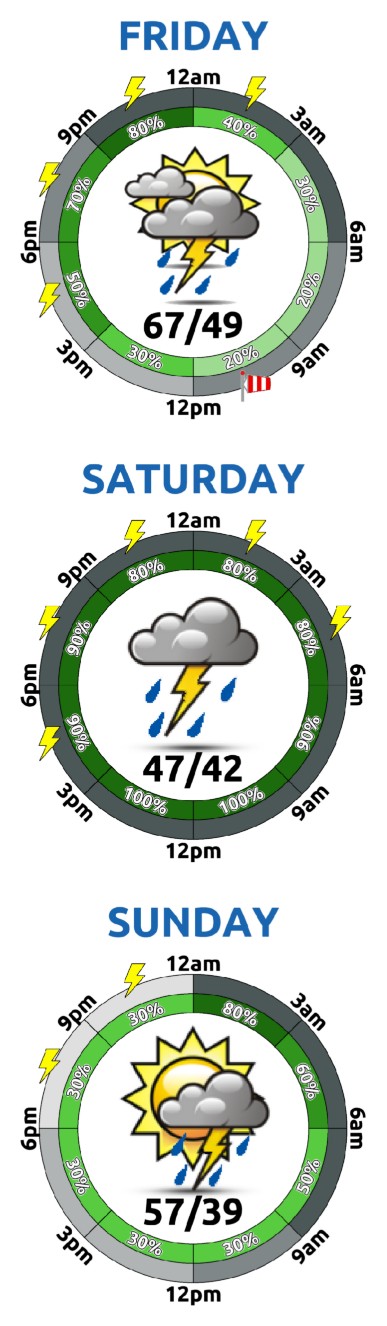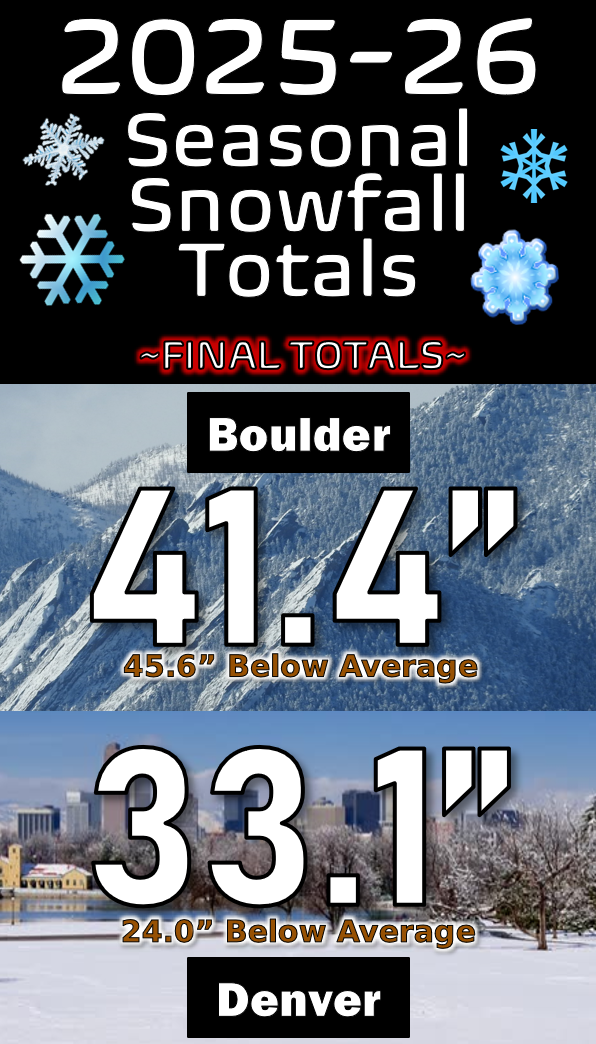


A western heat dome is gearing up to push the Front Range toward its hottest stretch of the season so far, with downslope winds and fire‑weather concerns building right alongside it. A weak front will try to break the heat later in the week, but largely fail as temperatures rebound into the 90s quickly by Friday and the weekend. As our spring wet season has now come to an end, storm chances remain woefully low throughout the extended leading to further drought intensification statewide.
Spring’s grip on our wet season is loosening, and the atmosphere is starting to hint at the drier pattern ahead — but not before we squeeze out a few more days of spotty storm potential. This week brings a mix of low‑end daily rain chances, early‑week severe storms, and a slow warm‑up that could push us toward our first 90° reading of the year by the weekend. Read on as we break down what to expect as we ride out this transitional stretch of early June.
May has finally snapped the atmosphere out of its months‑long bone dry spell, and the Front Range is making up for lost time fast. A destructive early‑May snow event, followed by a second, well‑timed upslope system just ten days later, has pushed Boulder’s May precipitation total beyond everything we managed to scrape together through fall, winter, and early spring combined. We dig into what triggered the pattern reversal, how much moisture different parts of the region have banked, what this burst of wet weather actually means for our entrenched drought, and whether the upcoming Memorial Day weekend warm‑up signals a slide back toward a more aggressive drying trend.
Colorado headlines have been buzzing about a looming “Super El Niño,” but the story behind the hype is far more layered than the headlines let on. Before leaning into the dramatic graphics and sweeping claims, it’s worth unpacking where this narrative actually came from and why one overzealous model run has taken on a life of its own. More importantly, we must consider what this all really means for our state as we limp into summer with record‑low snowpack, deepening drought, and a fire season that has already been sharpening its teeth. The truth is far more nuanced than the current online discourse suggests.
2025 was one of those years where Boulder’s weather never seemed content with a single storyline. We opened with a bitter Arctic punch that delivered our coldest January in nearly two decades, only to swing into a summer packed with 90°+ heat, smoky afternoons, and the hottest day since 2012. The monsoon showed up often but rarely with much enthusiasm, fall dried out in a hurry, and our first snow didn’t arrive until November 29th — the latest on record by a country mile. Now that the dust (and smoke, and snow) has settled, we’ve pulled together a full graphical recap of the temperature swings, precipitation quirks, record‑setting moments, and long‑term trends that defined Boulder’s and Colorado’s atmosphere in 2025. If you want the full story behind the chaos — and a clearer picture of where 2025 truly landed — this is a fun one to dive into. Be warned, there really are 100 charts and visuals to explore. Enjoy!
August 2025 was on track to be our third scorcher in a row — hot, dry, and smoky — until a late-month shift brought in a welcome stretch of cooler, wetter weather. That pattern change helped balance things out across the Front Range, with most areas landing close to average for rainfall and just slightly warmer than normal overall. Still, it wasn’t all relief: the month packed in plenty of wildfire smoke and a few record-breaking heat days that served to remind us that summer wasn’t done yet. Here’s a quick and colorful graphical recap of our weather during August and how it relates to climatology.
NOTE: This monthly recap was delayed due to missing data in the August 2025 climate record for Boulder which has since been partially filled with best-guess approximations.
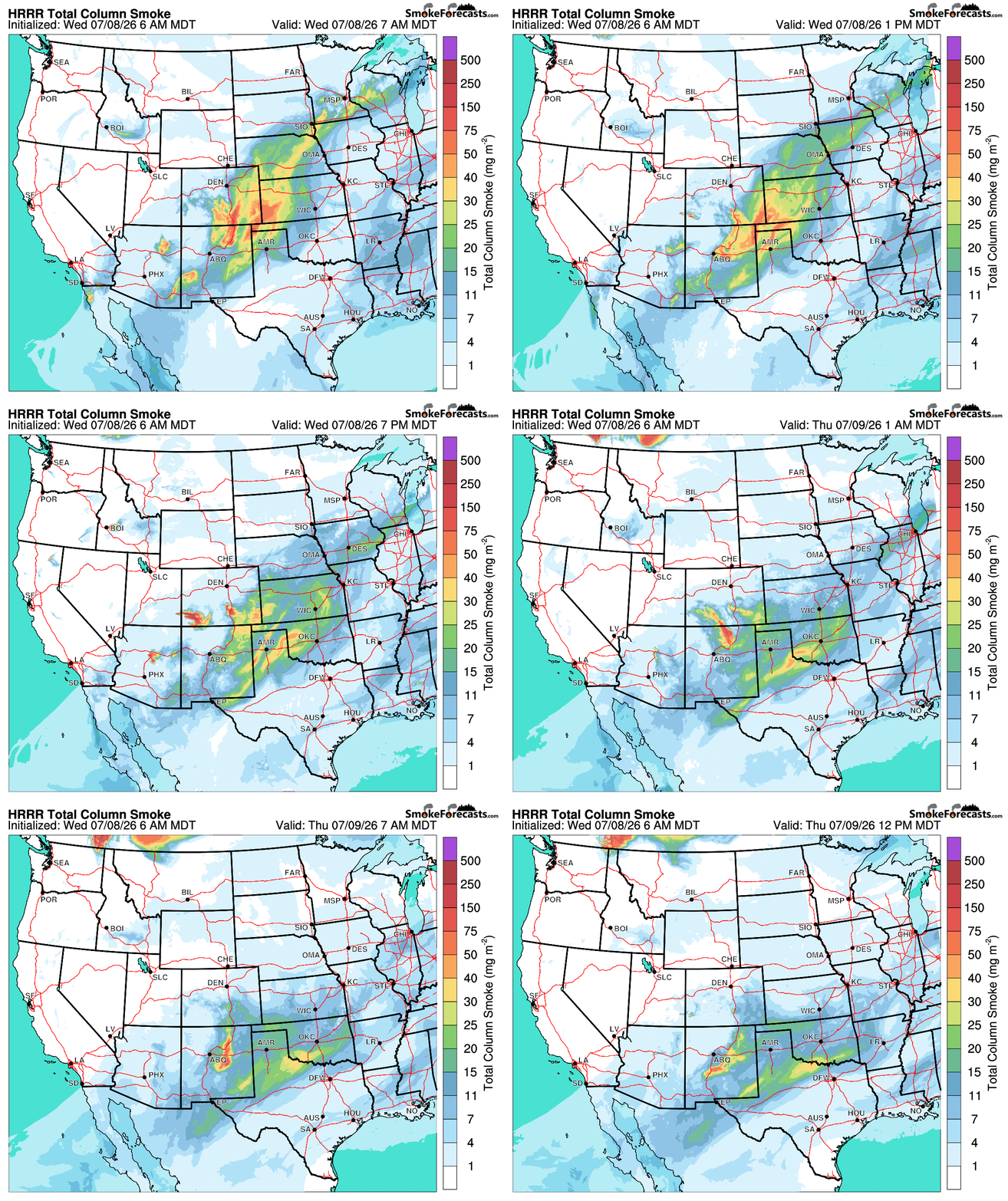
Last week’s cold front didn’t just drop temperatures—it dragged in a wall of chemical-scented smoke that turned the Front Range skies hazy and acrid. The days ahead are shaping up to be much more pleasant with warmer temps, limited storm chances, and a break from the smoke (at least for now) under southwest flow. Read on for a full breakdown of this week’s weather, including when to expect the best shot at rain and whether any smoke may return in the extended.
© 2026 Front Range Weather, LLC