

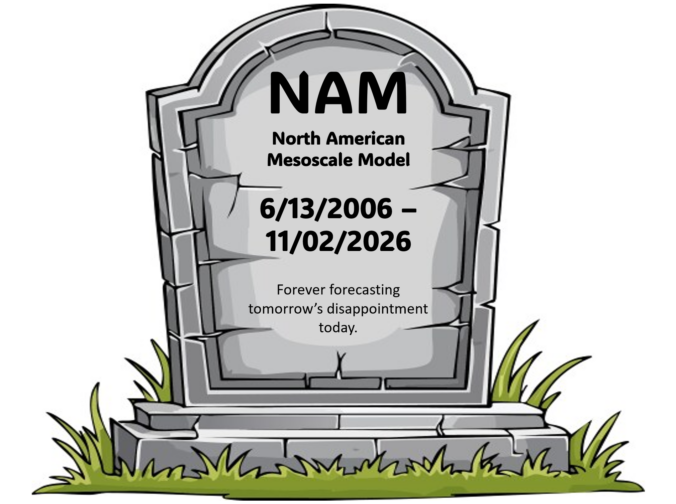
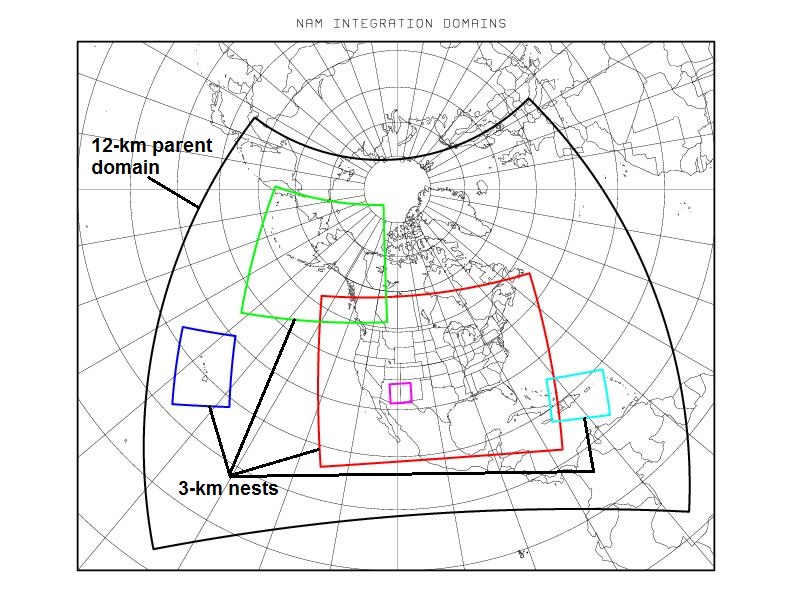
The weather world lost a small piece of its history this week with the sunset of the American NAM model. Coincidentally, this model and my meteorology career started almost exactly the same time in 2006. Since then, both have been on quite a journey. While technology marches forward and better models take its place, it’s impossible not to reflect on the role this one played, not just in forecasting, but in shaping the career of countless meteorologists, myself included.
Monday night marked the official retirement of the NAM, or North American Mesoscale Model, ending a forecasting career that spanned more than two decades. Coincidentally, I started the meteorology program at Penn State University in August 2006, mere months after the NAM became operational. As a freshman just beginning to learn the science behind weather prediction, the NAM was the new hot model. It represented the cutting edge of forecasting technology, offering higher resolution and new capabilities that made it one of the most exciting tools available at the time when we all barely had flip phones.
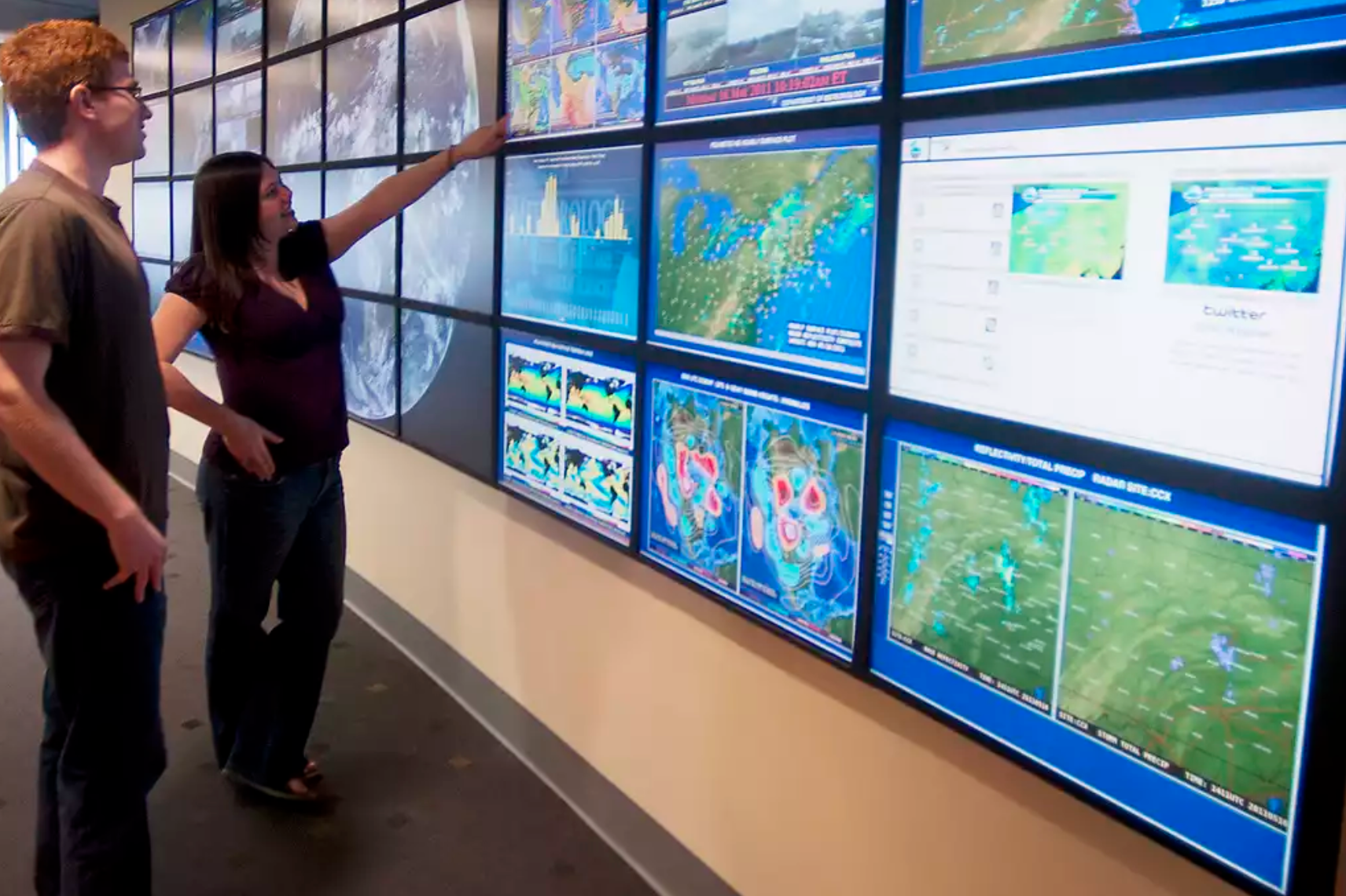
The Penn State meteorology department’s forecasting wall displayed every piece of weather data you could imagine 24/7. Students would frequently come together in front of these 60 screens to discuss ongoing weather and how best to predict it.
Over the years, the NAM became much more than just another model on a computer screen. It was part of countless forecasting classes, late-night storm analyses, winter weather debates, and eventually thousands of forecasts written for BoulderCAST readers. If you’ve followed our forecasts over the last decade-plus, you’ve undoubtedly seen the NAM’s fingerprints in many of them.
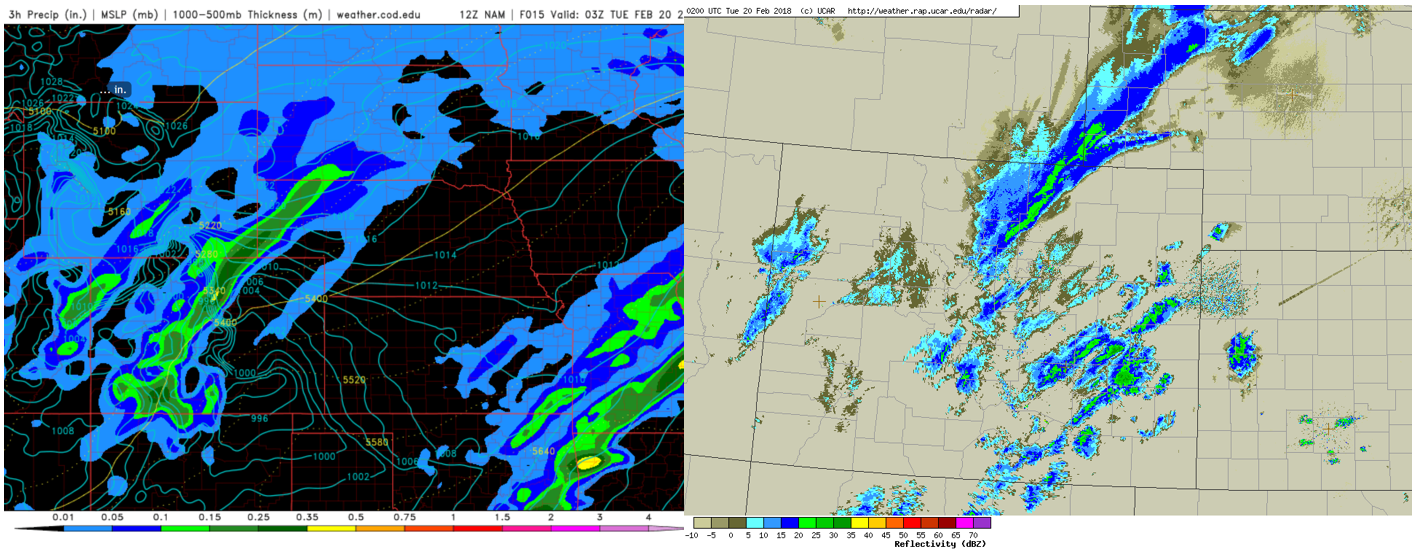
NAM model precipitation forecast (left) and actual observed radar reflectivity (right) for a banded snow event in February 2018.
Like any longtime companion, it had its strengths and weaknesses. It often excelled with shallow cold air masses, cold fronts, and winter weather situations that other guidance struggled to handle across the Front Range. At the same time, it developed a personality of its own. It often would be too cold, too wet, too enthusiastic about thundersnow, and occasionally capable of producing forecast scenarios that left our entire team scratching their heads. Learning weather forecasting wasn’t just about understanding atmospheric science. It was about understanding the quirks and biases of models like the NAM, and applying those to a real forecast you could be confident about sharing with the community.
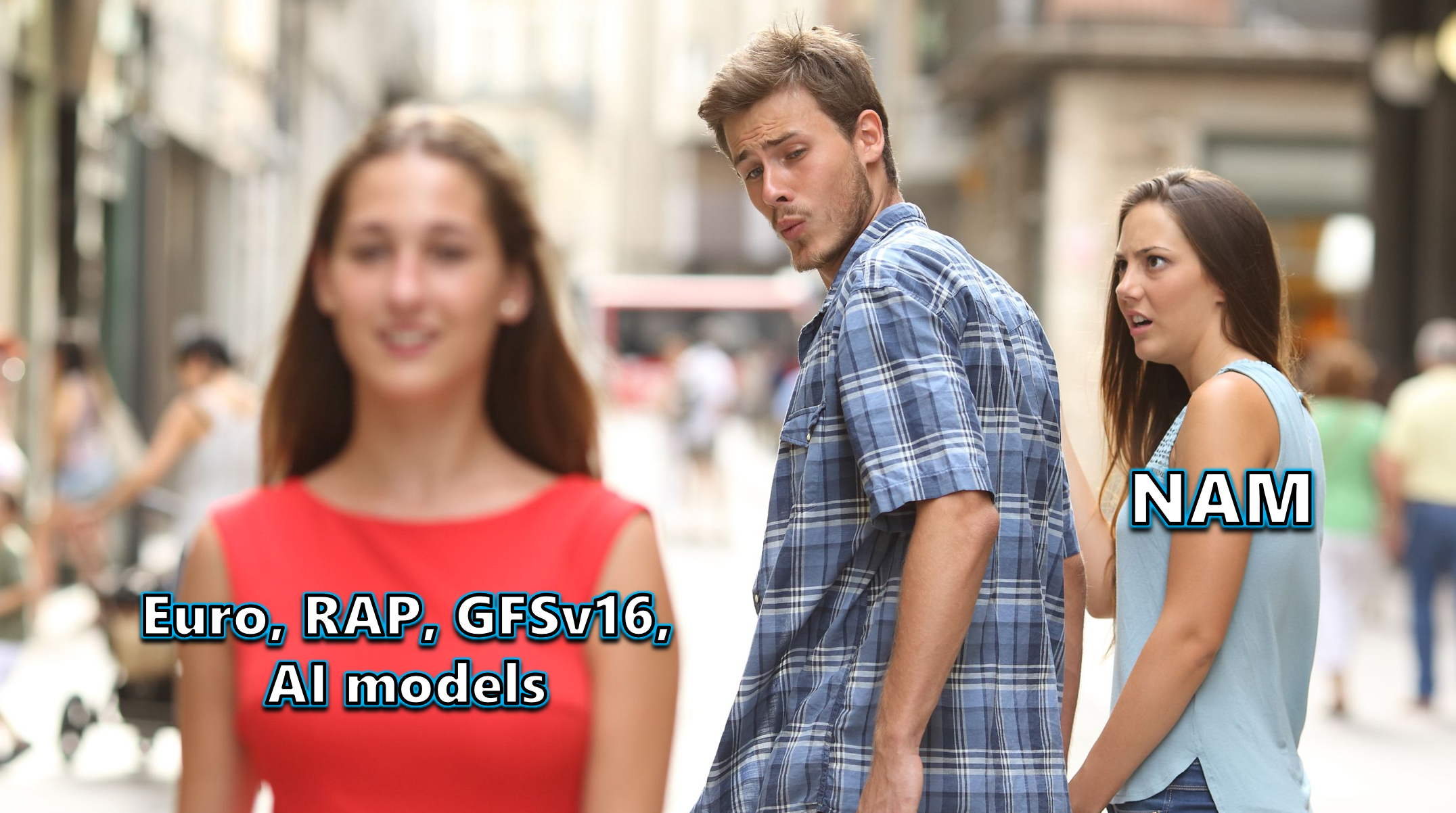
As weather prediction advanced, newer systems emerged with better physics, better data assimilation, higher resolution, and now, artificial intelligence. I’ve definitely found myself straying further away from the NAM model over the last several years, leaning more heavily on some of the new kids on the block.
The retirement of the NAM has been planned for years, delayed several times, but earlier this week it finally became official. Its replacement, the Rapid Refresh Forecasting System (RRFS), represents the next generation of numerical weather prediction and will undoubtedly bring improvements. It will also come with its own strengths, weaknesses, and personality quirks that we forecasters will spend years learning. We’re already adapting our forecasting techniques to incorporate the new RRFS guidance more heavily, and you’ll begin seeing its influence throughout BoulderCAST in the months ahead. If you’d like to explore some of this next-generation data for yourself, check out our Colorado Smoke Forecast page, where RRFS-powered products are already available.
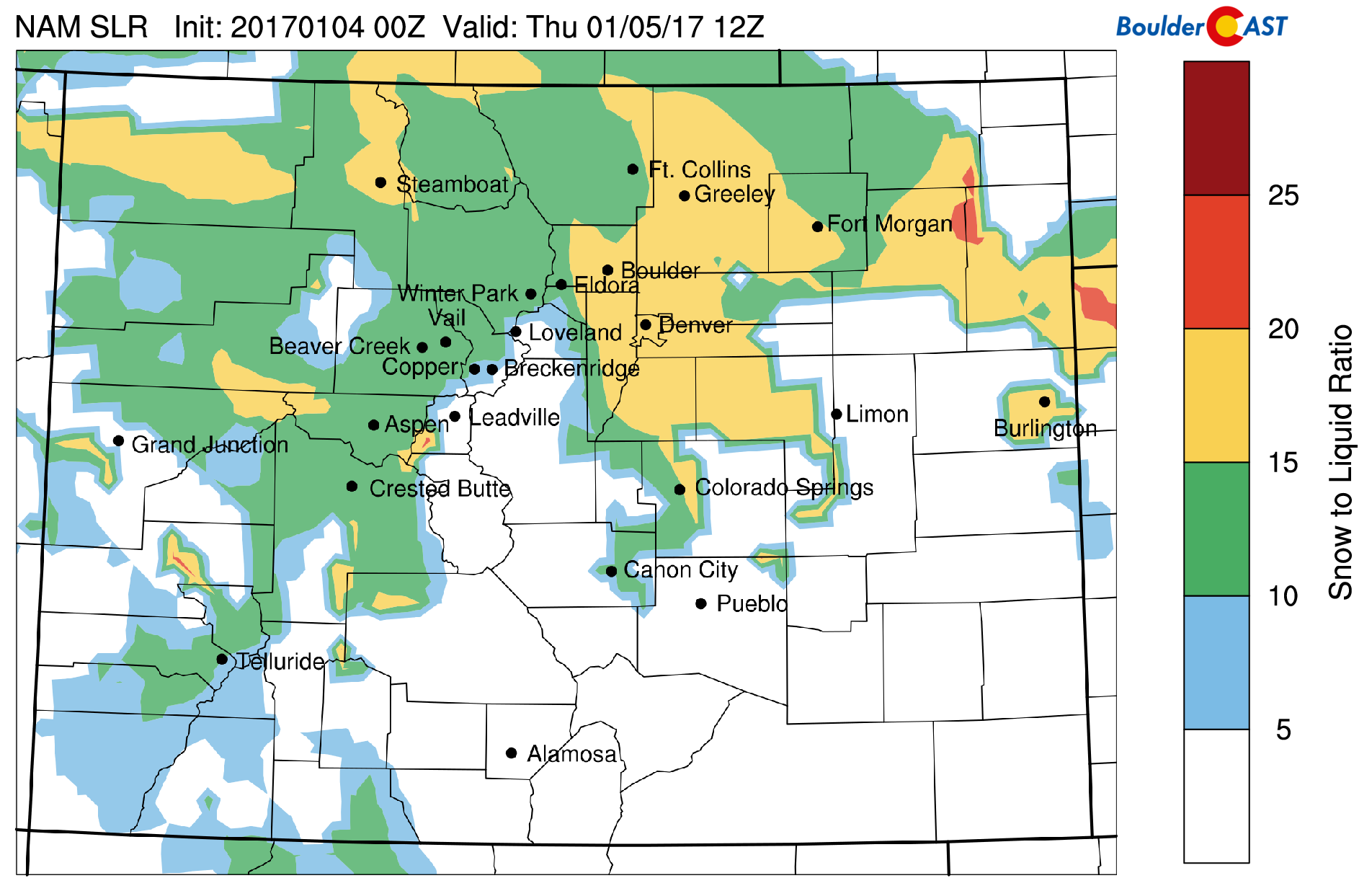
For meteorologists of my generation, though, the NAM’s retirement feels a bit like watching an old classmate or co-worker head off into the sunset. We learned alongside it. We argued with it. We celebrated when it nailed a forecast and chuckled when it confidently predicted snowstorms that never materialized, sometimes more often than we’d like to admit. It wasn’t perfect, but it helped train and shape an entire generation of meteorologists who are forecasting, researching, and serving communities across the country today.
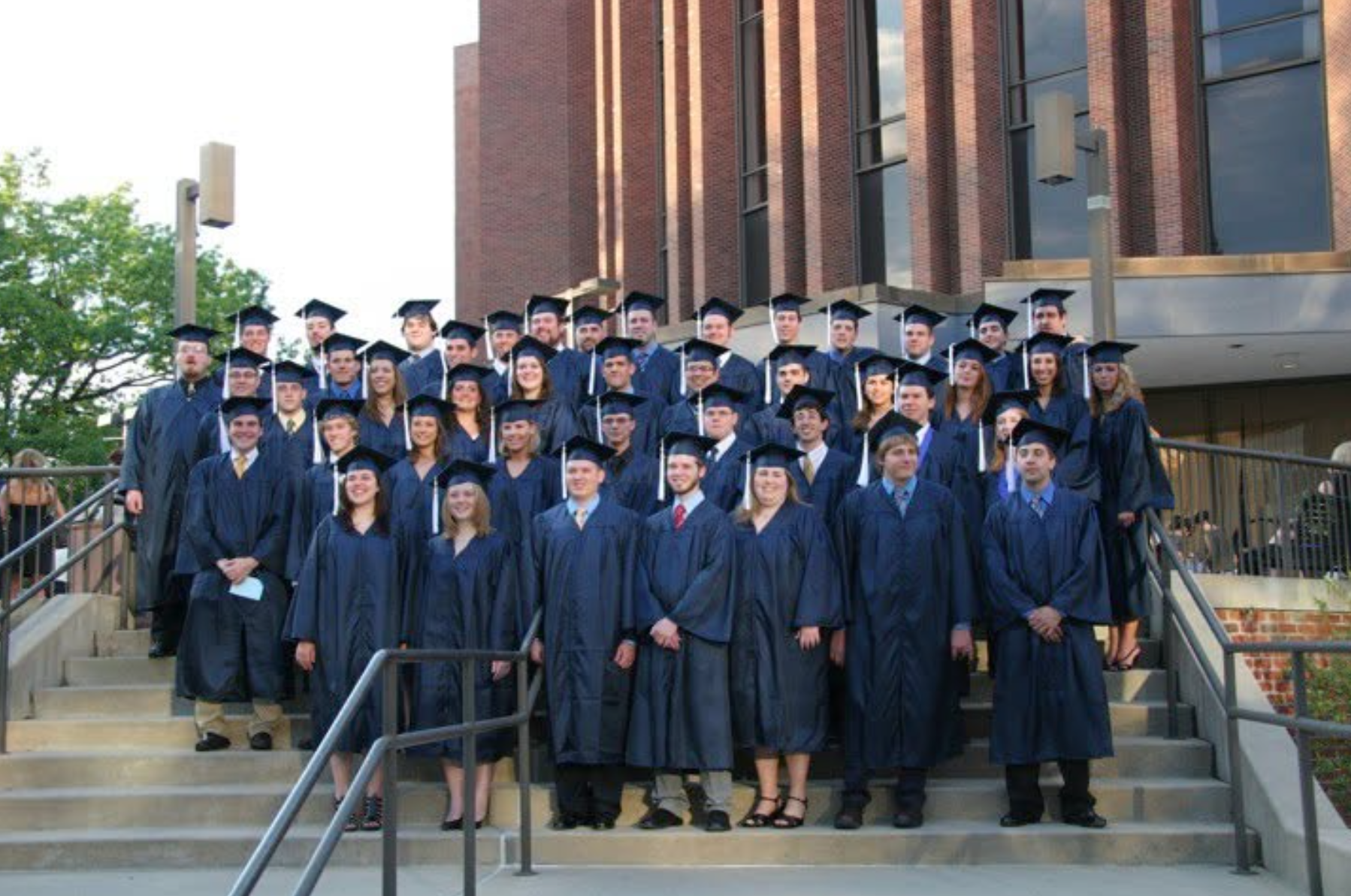
Penn State Meteorology Class of 2010. At the time, and maybe still is, we were the largest class for this major in the nation.
Weather forecasting is always looking ahead, but every so often it’s worth looking back. The NAM was there when my meteorology journey began, and over the years it became a familiar companion through classes, forecasts, great successes, and mistakes. Saying goodbye feels a little like closing a chapter of a great book. Farewell, old friend. Thanks for the lessons, the laughs, and the countless Colorado snowstorms that only you could see coming.
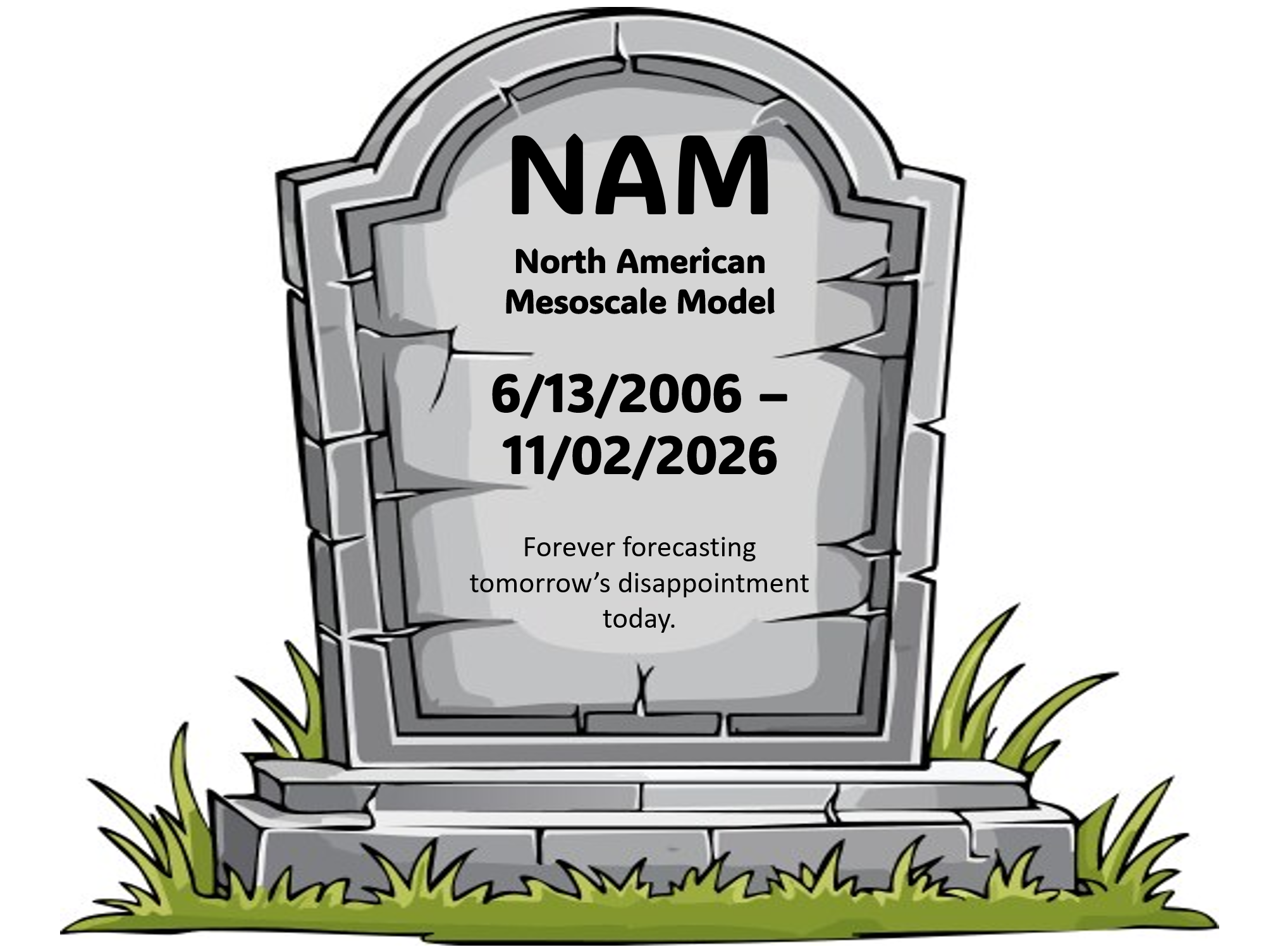
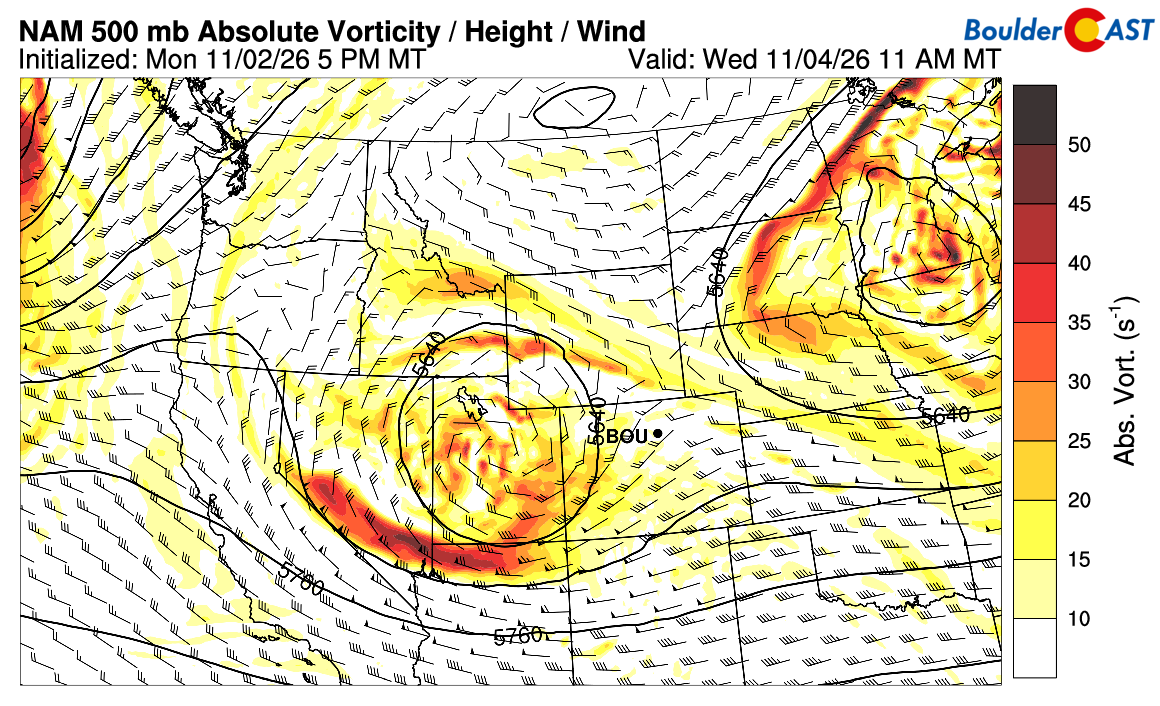
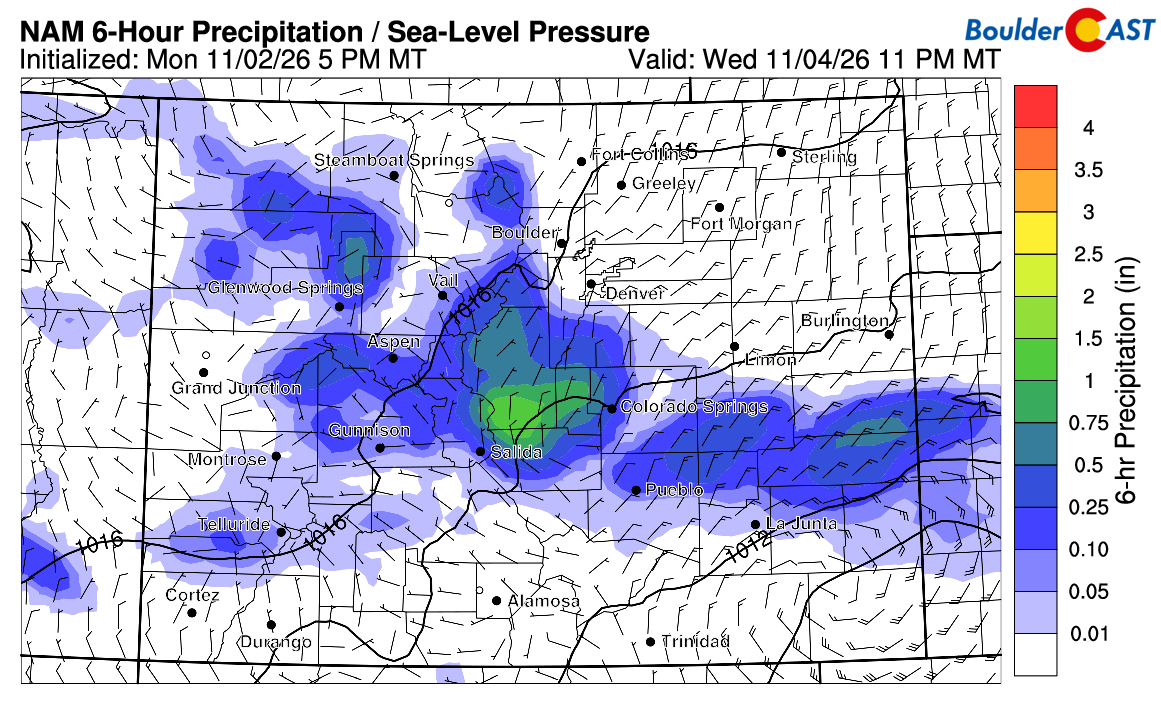
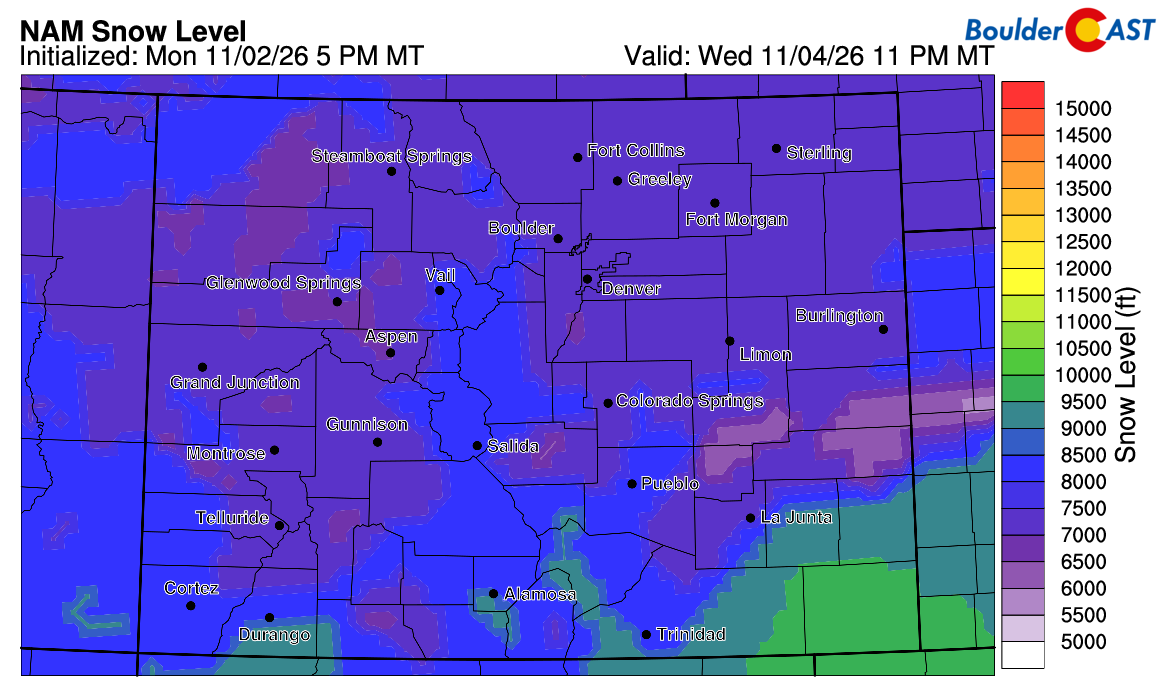
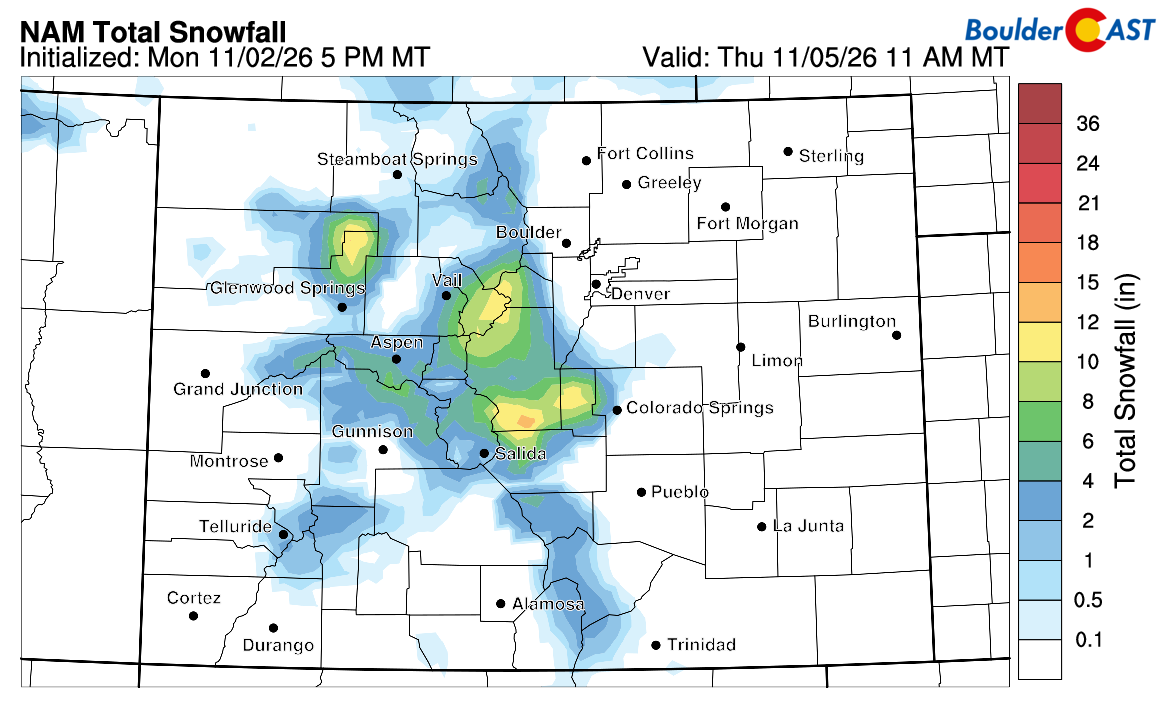
P.S. For what it’s worth, the NAM model’s final run Monday night seems to have made a pretty darn good forecast for last night’s storm that raced through central and southern Colorado. Going out on top!
Enjoy our content? Give it a share!





Of the numerous and surprisingly emotional tributes to the NAM, this the best I have seen. It shows true knowledge of how to use models.
As someone who spent many frustrating years as a model advisor to NOAA, I am glad to see a decision has been made and accomplished. Perhaps, there will be resources that can be moved, more productively, towards RRFS. The problems in RRFS are quite tractable, but it seems impossible to focus on a process-based approach to addressing them. This is organizational more than scientific.